
Accountability Needs an Owner, Not a Committee

If five people own a project, there is a good chance no one owns it.
That does not mean committees are ineffective or collaboration is a problem. Most organizations need both. Boards should contribute perspective, teams should challenge ideas, and different functions should have input when a decision affects their work. The problem begins when participation is mistaken for ownership.
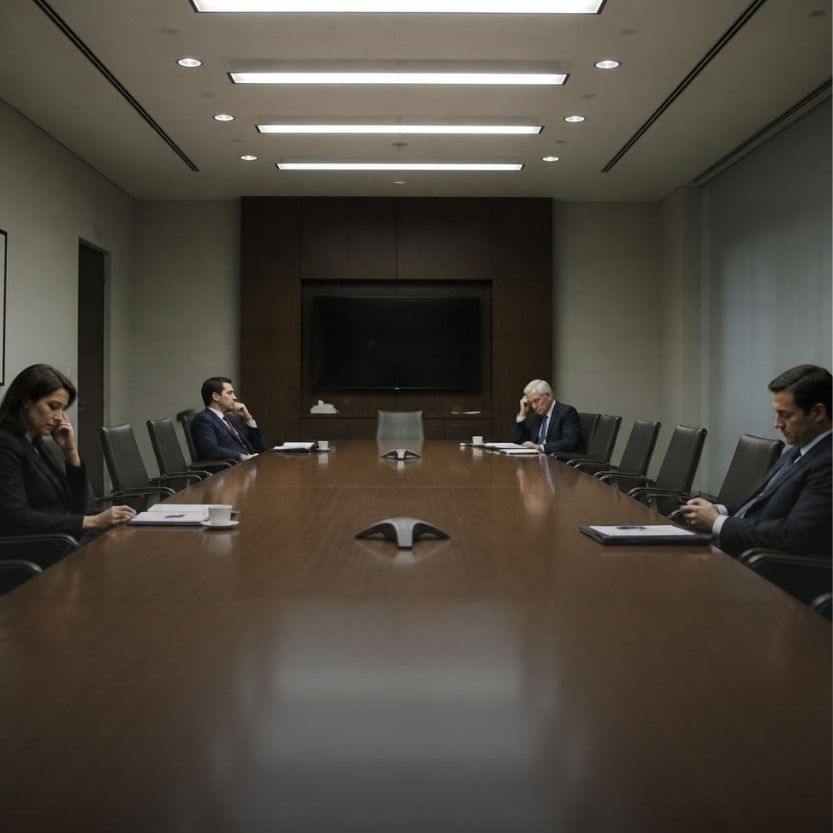
I have worked inside organizations where a project had plenty of people involved. A committee had discussed it. Staff were working on pieces of it. Leadership had opinions. Someone had the vendor relationship. Another person had historical knowledge. Everyone was participating, yet the project still stalled because no one could clearly answer one question: Who is responsible for making sure this gets done?
That question matters more in small organizations, where people often wear several hats and the lines between strategy, operations, marketing, membership, events and finance are already thin. Collaboration can help bridge those gaps, but it can also create another problem: decisions become spread across too many people.
A committee discusses an event. A board member suggests a change. Someone else speaks with the vendor. Staff begin producing materials. Leadership assumes the committee has made the decision, while the committee assumes leadership will make the final call. By the time everyone realizes the decision is still unresolved, the deadline has become urgent.
The problem is not effort. It is unclear ownership.
Participation and ownership are different
An owner is not the person who performs every task. The owner is the person responsible for keeping the work moving, identifying what is blocking progress, getting decisions made and making sure the final result is delivered.
There can be several contributors. There may be multiple reviewers. A board or executive may still hold final approval. But one person should know that the outcome is theirs to move forward.
Without that clarity, organizations create avoidable costs. Work gets duplicated because two people believe they are solving the same problem. Projects are revised because someone learns about a decision too late. Staff become frustrated because they do not know whose direction carries authority. Eventually, unresolved issues become last-minute emergencies.
These situations are often labeled communication problems. Sometimes they are. But many communication problems are actually ownership problems in disguise.
Four questions can prevent most of this
For most organizations, solving this does not require a new software platform or another management process. Every significant project should simply answer four questions.
First, what are we trying to accomplish? The answer should describe the outcome, not just the task. “Hold an event” is a task. “Create an event that generates member engagement, sponsor value and enough revenue to cover its costs” is an outcome.
Second, who owns it? Put one name beside the result. That person may not have authority over every decision, but they should be responsible for identifying what needs to happen next.
Third, who contributes and who approves? Those roles should not automatically be the same. Someone providing information does not necessarily need approval authority, and someone approving the budget does not need to approve every piece of copy.
Finally, what happens next, and by when? This is where meetings often fail. Teams leave knowing what was discussed but not what was decided. Every meeting involving active work should end with a clear next action, owner and deadline.
Accountability should make work easier
Some leaders hesitate to assign clear ownership because accountability can sound punitive. It should be the opposite. Clear ownership gives people the authority to move, reduces unnecessary approvals and makes it easier for leadership to see where support is needed.
The goal is not to create someone to blame when a project struggles. The goal is to prevent the project from struggling quietly because everyone assumed someone else was handling it.
The strongest organizations are not less collaborative. They are simply clearer about when the group is advising, when leadership is deciding and when one person has responsibility for execution.
Committees can shape the work. Boards can govern it. Teams can improve it. But execution still needs an owner.
If a project has been discussed repeatedly and still does not seem to move, another meeting may not be the answer. Start with a simpler question:
Who owns what happens next?



Comments